
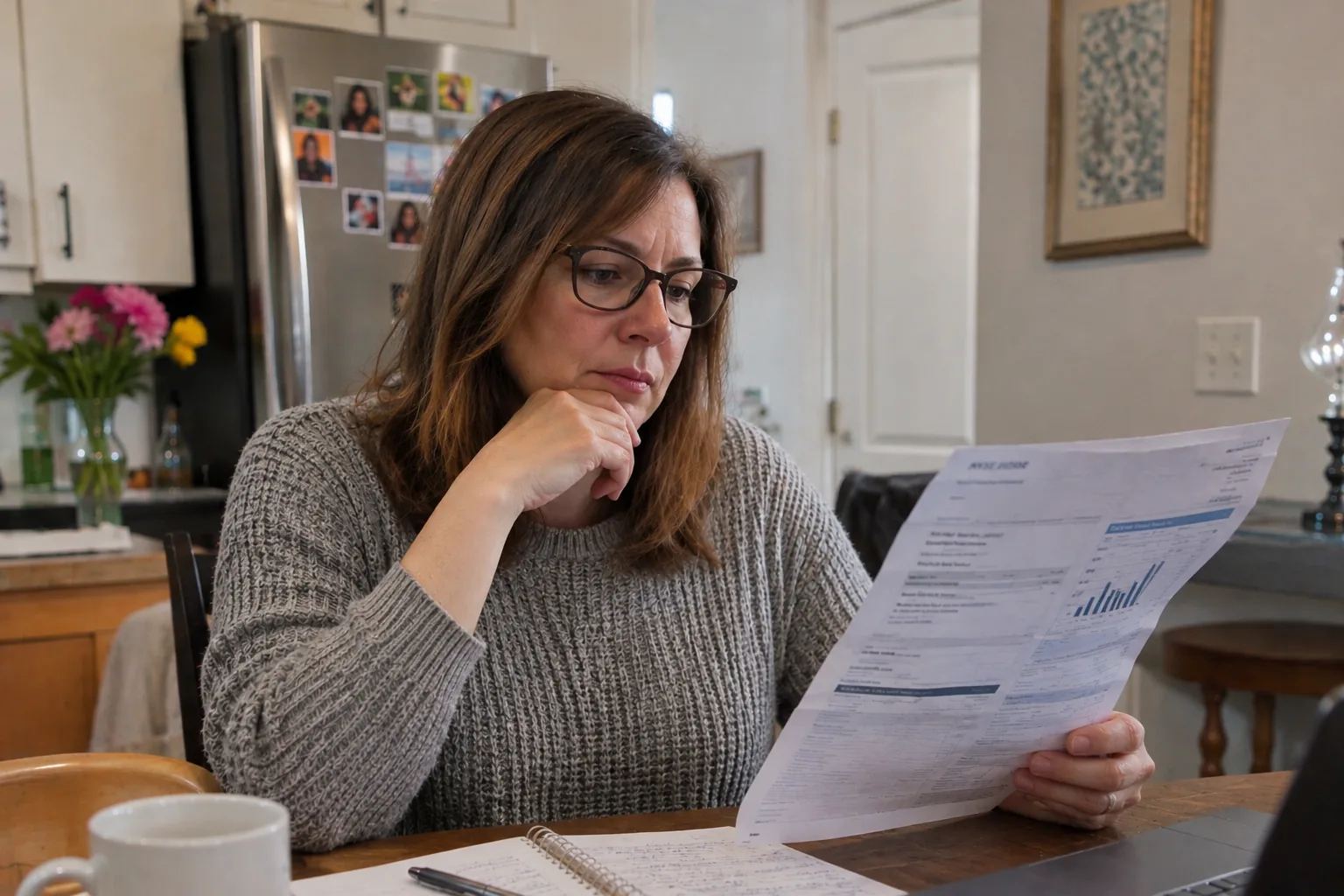

High heating bills can make every furnace cycle feel expensive. You open the statement, see a larger total, and wonder whether the equipment is suddenly wasting energy.
Sometimes the system needs attention. However, the amount due can also change because of weather, fuel prices, billing periods, or household routines.
Before turning the thermostat down until everyone is uncomfortable, separate those possibilities. For homeowners in Park Ridge and Chicagoland, a few comparisons can help identify the right next step. The goal is to understand the increase and address any correctable problem.
High Heating Bills Start With Two Different Numbers
Start with the amount of energy used, not just the dollar figure. On a natural gas bill, look for therm usage and the dates covered.
Nicor Gas’s bill guide explains how gas costs, delivery charges, taxes, and usage contribute to the total. Its energy profile also provides information for comparing consumption and weather.
Two bills with similar usage can have different totals. Likewise, a longer billing period can include more heating days.
Check whether the reading is actual or estimated, and ask the utility about anything unclear. An HVAC repair cannot correct a billing misunderstanding. Begin by establishing what changed.
Put The Weather Beside The Numbers
A mild October and a colder November are not equivalent operating conditions. The home may need more heating even if nobody touches the thermostat.
Compare similar periods where possible. Look at daily usage and the weather information your utility provides, rather than treating every monthly increase as equipment failure.
Nicor’s guide describes heating degree days as one way to relate weather to heating demand. You do not need to calculate them yourself to ask for help understanding the comparison.
Keep the result practical: did consumption rise along with colder conditions, or does the pattern still seem unusual? That is a better question to bring to a service appointment.
Account For Changes Inside The Home
Your household may use energy differently this fall than it did last year. Working from home, hosting overnight guests, or spending more time indoors can change the schedule.
Natural gas may also serve appliances beyond the furnace. Therefore, the whole gas bill is not automatically a measure of heating performance alone.
Consider recent changes:
- More hours at home during weekdays.
- A different thermostat schedule.
- Additional use of a gas fireplace.
- New appliances or changes in hot-water use.
- A room or addition now used regularly.
Write these down alongside the billing comparison. The list helps avoid blaming the furnace for every change while still leaving room to investigate a real fault.
Notice Whether Comfort Has Changed Too
Higher costs deserve closer attention when they arrive with a change in performance. Perhaps the house struggles to reach its setting, or one room has become noticeably colder.
Also note unfamiliar sounds, repeated shutdowns, or a significant change in the system’s usual behavior. These observations do not identify a cause, but they provide useful context.
Ask yourself when the issue started. Did the comfort problem appear before the larger bill, after recent service, or following a home project?
A short timeline helps the technician evaluate both concerns together. It is more useful than simply asking whether an older furnace must be inefficient.
Review The Basics Without Guessing At Repairs
Check that the thermostat schedule reflects your actual needs. Then inspect an accessible filter according to the equipment instructions and keep air openings unobstructed.
ENERGY STAR recommends regular filter checks, especially during heavy use. It also notes that air leaks and duct problems may deserve attention before replacing equipment.
However, do not make several major changes at once and assume the next bill will reveal which one helped. Record what you changed and when.
For a broader routine, see our HVAC maintenance checklist for Illinois homes. This billing review is about identifying an unusual pattern, not replacing regular care.
Ask Whether Heat Reaches The Rooms You Use
If the furnace produces heat but the house remains uncomfortable, the distribution system deserves consideration. Duct conditions can affect both comfort and performance.
ENERGY STAR explains the benefits of duct sealing, including addressing some rooms that are too cold. The right repair still depends on the actual condition of your system.
Ask what testing supports a duct-related recommendation. You should understand where the problem is and how the proposed work addresses it.
Avoid approving a broad upgrade simply because the bill increased. Connect each recommendation to an identified issue and a clear objective.
What To Bring To A Heating Assessment
You can make the conversation more useful without creating a spreadsheet. Gather a few recent bills and the corresponding period from last year if available.
Also bring:
- Your current thermostat schedule.
- Notes about comfort problems.
- Recent equipment service records.
- Major household or building changes.
- The specific question you want answered.
For example, you might ask why usage increased while the main floor became harder to heat. That gives the technician a focused starting point for investigating the equipment and its performance.
Common Questions About Heating Costs
-
Do High Heating Bills Mean I Need A New Furnace?
No. Compare usage, rates, weather, and household changes first. A system assessment can then determine whether a repair or replacement discussion is justified.
-
Will A Repair Guarantee A Lower Next Bill?
No. Weather and pricing can change independently of the repair. Ask how the work addresses the confirmed equipment issue rather than expecting a fixed savings promise.
-
Should I Compare My Bill With My Neighbor’s?
Use that comparison cautiously. Home size, insulation, schedules, equipment, and other gas use can differ. Your own history usually provides a more relevant starting point.
Find The Reason Before Paying Through Another Winter
High heating bills should prompt better questions. Once you understand the billing changes, address any comfort or performance problem that remains.
Blue Collar Mechanical serves Park Ridge and Chicagoland with residential HVAC assessments and repairs. Schedule heating service or call (312) 577-7014. Find out whether your system needs attention before another cold month adds to the frustration.