
Tag

home heating

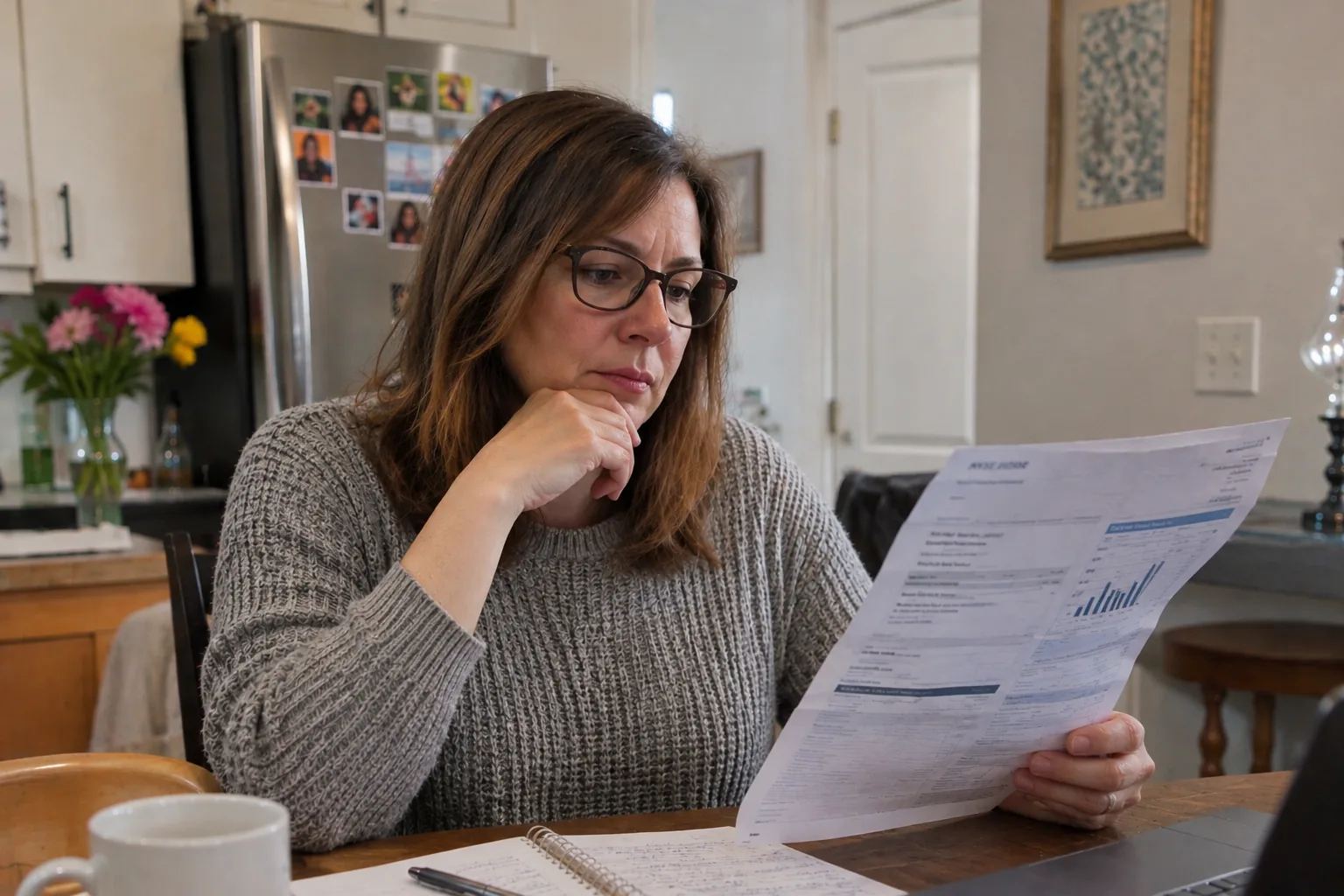
Homeowner comparing winter heating bills at a table

High Heating Bills And What To Check Before Blaming The Furnace

By Uncategorized

High heating bills can make every furnace cycle feel expensive. You open the statement, see a larger total, and wonder whether the equipment is suddenly wasting energy.

Sometimes the system needs attention. However, the amount due can also change because of weather, fuel prices, billing periods, or household routines.

Before turning the thermostat down until everyone is uncomfortable, separate those possibilities. For homeowners in Park Ridge and Chicagoland, a few comparisons can help identify the right next step. The goal is to understand the increase and address any correctable problem.

High Heating Bills Start With Two Different Numbers

Start with the amount of energy used, not just the dollar figure. On a natural gas bill, look for therm usage and the dates covered.

Nicor Gas’s bill guide explains how gas costs, delivery charges, taxes, and usage contribute to the total. Its energy profile also provides information for comparing consumption and weather.

Two bills with similar usage can have different totals. Likewise, a longer billing period can include more heating days.

Check whether the reading is actual or estimated, and ask the utility about anything unclear. An HVAC repair cannot correct a billing misunderstanding. Begin by establishing what changed.

Put The Weather Beside The Numbers

A mild October and a colder November are not equivalent operating conditions. The home may need more heating even if nobody touches the thermostat.

Compare similar periods where possible. Look at daily usage and the weather information your utility provides, rather than treating every monthly increase as equipment failure.

Nicor’s guide describes heating degree days as one way to relate weather to heating demand. You do not need to calculate them yourself to ask for help understanding the comparison.

Keep the result practical: did consumption rise along with colder conditions, or does the pattern still seem unusual? That is a better question to bring to a service appointment.

Account For Changes Inside The Home

Your household may use energy differently this fall than it did last year. Working from home, hosting overnight guests, or spending more time indoors can change the schedule.

Natural gas may also serve appliances beyond the furnace. Therefore, the whole gas bill is not automatically a measure of heating performance alone.

Consider recent changes:

  • More hours at home during weekdays.
  • A different thermostat schedule.
  • Additional use of a gas fireplace.
  • New appliances or changes in hot-water use.
  • A room or addition now used regularly.

Write these down alongside the billing comparison. The list helps avoid blaming the furnace for every change while still leaving room to investigate a real fault.

Notice Whether Comfort Has Changed Too

Higher costs deserve closer attention when they arrive with a change in performance. Perhaps the house struggles to reach its setting, or one room has become noticeably colder.

Also note unfamiliar sounds, repeated shutdowns, or a significant change in the system’s usual behavior. These observations do not identify a cause, but they provide useful context.

Ask yourself when the issue started. Did the comfort problem appear before the larger bill, after recent service, or following a home project?

A short timeline helps the technician evaluate both concerns together. It is more useful than simply asking whether an older furnace must be inefficient.

Review The Basics Without Guessing At Repairs

Check that the thermostat schedule reflects your actual needs. Then inspect an accessible filter according to the equipment instructions and keep air openings unobstructed.

ENERGY STAR recommends regular filter checks, especially during heavy use. It also notes that air leaks and duct problems may deserve attention before replacing equipment.

However, do not make several major changes at once and assume the next bill will reveal which one helped. Record what you changed and when.

For a broader routine, see our HVAC maintenance checklist for Illinois homes. This billing review is about identifying an unusual pattern, not replacing regular care.

Ask Whether Heat Reaches The Rooms You Use

If the furnace produces heat but the house remains uncomfortable, the distribution system deserves consideration. Duct conditions can affect both comfort and performance.

ENERGY STAR explains the benefits of duct sealing, including addressing some rooms that are too cold. The right repair still depends on the actual condition of your system.

Ask what testing supports a duct-related recommendation. You should understand where the problem is and how the proposed work addresses it.

Avoid approving a broad upgrade simply because the bill increased. Connect each recommendation to an identified issue and a clear objective.

What To Bring To A Heating Assessment

You can make the conversation more useful without creating a spreadsheet. Gather a few recent bills and the corresponding period from last year if available.

Also bring:

  • Your current thermostat schedule.
  • Notes about comfort problems.
  • Recent equipment service records.
  • Major household or building changes.
  • The specific question you want answered.

For example, you might ask why usage increased while the main floor became harder to heat. That gives the technician a focused starting point for investigating the equipment and its performance.

Common Questions About Heating Costs

  • Do High Heating Bills Mean I Need A New Furnace?

    No. Compare usage, rates, weather, and household changes first. A system assessment can then determine whether a repair or replacement discussion is justified.

  • Will A Repair Guarantee A Lower Next Bill?

    No. Weather and pricing can change independently of the repair. Ask how the work addresses the confirmed equipment issue rather than expecting a fixed savings promise.

  • Should I Compare My Bill With My Neighbor’s?

    Use that comparison cautiously. Home size, insulation, schedules, equipment, and other gas use can differ. Your own history usually provides a more relevant starting point.

Find The Reason Before Paying Through Another Winter

High heating bills should prompt better questions. Once you understand the billing changes, address any comfort or performance problem that remains.

Blue Collar Mechanical serves Park Ridge and Chicagoland with residential HVAC assessments and repairs. Schedule heating service or call (312) 577-7014. Find out whether your system needs attention before another cold month adds to the frustration.
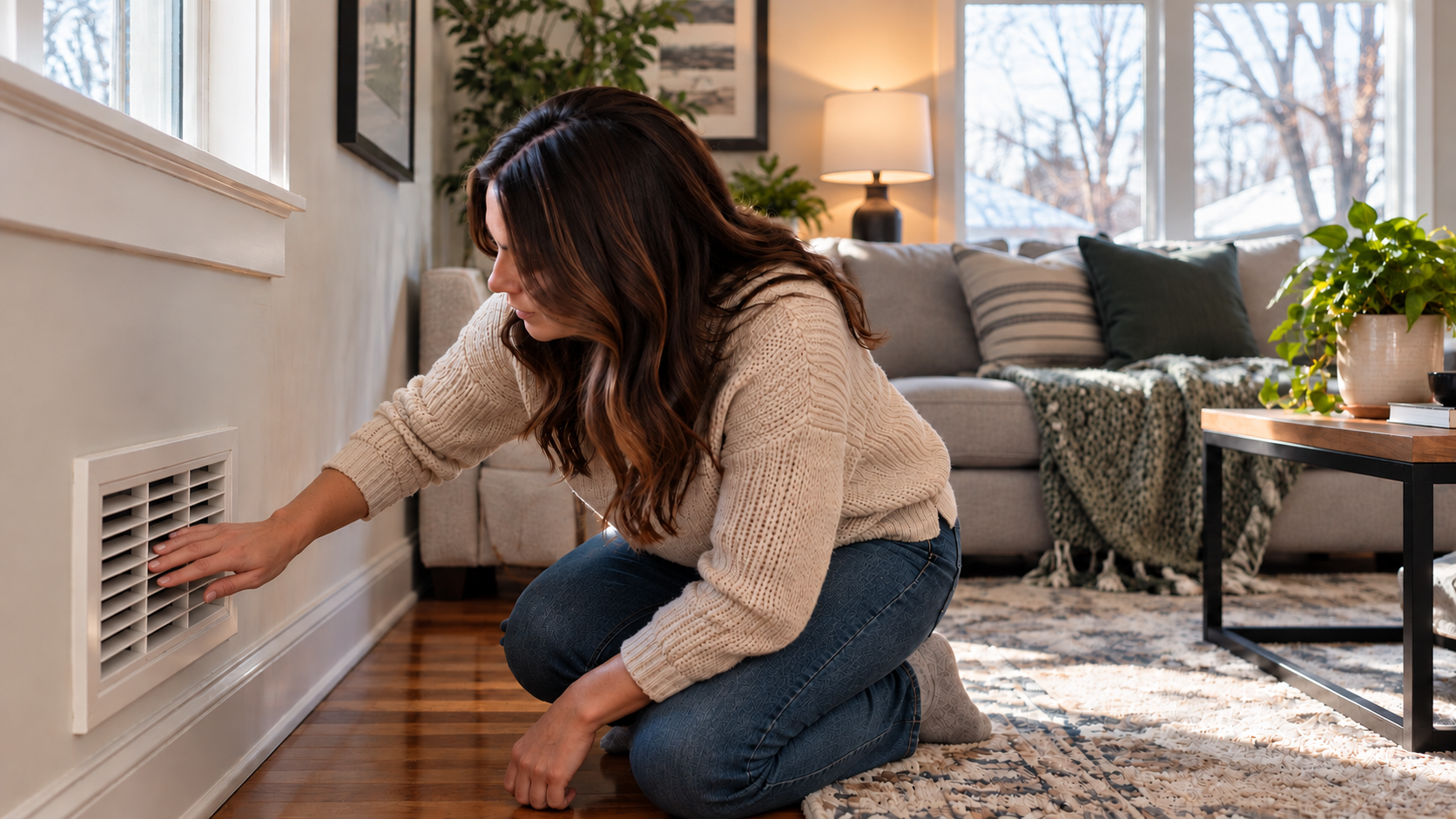
Homeowner checking a vent with the furnace blowing cold air

Furnace Blowing Cold Air? Don’t Wait For A Colder Night To Find Out Why

By Uncategorized

A furnace blowing cold air is not the welcome you want on a chilly October morning. You turn up the heat, hear the system start, and wait. Yet the room never feels warmer.

Sometimes, the answer is a thermostat setting. Other times, the blower runs while a heating problem prevents the burners from staying on. The important step is finding out which situation you have before colder weather makes the problem harder to live with.

For homeowners in Park Ridge and Chicagoland, October is a good time to address unreliable heat. Here is how to make sense of the symptom without turning a service problem into a risky project.

Why Is Your Furnace Blowing Cold Air?

A furnace can circulate cool air because of its fan setting, a brief startup period, restricted airflow, or a heating fault. Those possibilities need different responses. Therefore, moving air alone does not prove that the furnace is producing heat.

Carrier’s guide to cold air from a furnace identifies thermostat settings, ignition problems, and airflow restrictions among possible causes.

Think about the pattern before assuming the worst. Does the air warm up after startup? Is the fan running between heating cycles? Or does the system keep trying to heat without raising the room temperature?

Those details give a technician a more useful starting point than simply saying the furnace feels different.

Start With The Thermostat Screen

First, confirm that the thermostat is in heating mode. The target temperature should also be above the current room temperature.

Next, look at the fan setting. On many systems, ON keeps the fan running between heating cycles. As a result, you may feel room-temperature air even when the burners are off. AUTO usually ties fan operation to the heating or cooling cycle.

Check for a schedule or temporary hold that conflicts with your intended setting. For example, a daytime setback may still apply when someone is unexpectedly home.

Make one appropriate adjustment, then observe what happens. Avoid repeatedly raising the temperature or resetting the equipment. If the system still cannot deliver heat, another thermostat change may not solve the problem.

Notice Whether The Problem Affects Every Room

Before calling, compare the rooms you normally use. You do not need a technical test or a special tool. Instead, make a simple note of what feels different.

Consider these questions:

  • Does every supply vent feel cool, or only one?
  • Is the house temperature falling while the system runs?
  • Did the issue begin after a filter change or thermostat adjustment?
  • Does heat arrive briefly and then disappear?
  • Have you noticed a new noise or visible water nearby?

For example, a bedroom that has always felt cooler presents a different complaint from a whole house that suddenly has no heat. Neither observation identifies a failed part. However, both help explain what needs investigating.

Keep the description specific. A clear timeline can make the conversation more productive.

Check The Filter Without Opening The Furnace

If your filter is safely accessible, check it according to the equipment instructions. Turn the system off before changing it, and use the correct size and approved type.

A heavily loaded filter can restrict airflow. In some cases, overheating causes a safety control to stop the burners while the blower continues running. However, finding a dirty filter does not prove that it is the only problem.

ENERGY STAR recommends checking filters regularly, particularly during periods of heavy use. Follow your equipment and filter instructions for replacement timing.

If replacing an overdue filter does not restore normal operation, arrange service. Do not remove internal panels, adjust gas components, or bypass a safety switch.

Know When To Stop Troubleshooting

A furnace blowing cold air needs professional attention when basic setting checks do not resolve it. Repeated shutdowns, failed starts, and continued loss of indoor temperature also warrant a service call.

Gas smells and carbon monoxide alarms require a different response. Leave immediately and call 911 or your gas utility from a safe location. If you suspect a gas leak, do not operate switches or equipment while leaving. Nicor Gas explains these emergency steps.

For a routine heating complaint without those emergency signs, describe the symptom when you contact your HVAC company. Also mention any recent work or changes to the system.

Ask For A Diagnosis That Explains The Repair

The useful answer is not simply that a part needs replacing. You should understand what the technician found and how it relates to the missing heat.

Before approving work, ask:

  • What is preventing the system from heating normally?
  • How did you confirm the cause?
  • What repair do you recommend, and what will it cost?
  • How will you check operation after the repair?

These questions help connect the recommendation to your actual problem. Our article on clear communication during HVAC repairs explains why that clarity matters.

At Blue Collar Mechanical, we bring commercial-level HVAC experience into residential homes. That means looking at the system, explaining the findings, and helping you understand the next step.

Common Questions About Cold Air From A Furnace

  • Does Cool Air Always Mean The Furnace Is Broken?No. A brief startup period or fan setting may explain it. Persistent cool air during a call for heat needs closer attention.
  • Should I Keep Turning The Thermostat Higher?No. Once the thermostat is calling for heat, repeated increases will not diagnose the failure. Focus on whether the system responds normally.
  • Does This Mean I Need A New Furnace?Not necessarily. A furnace blowing cold air is a symptom, not a replacement verdict. A diagnosis should come before that decision.

Get The Heat Working Before You Need It Every Night

You should not have to plan your evening around the warmest room in the house. If you keep finding your furnace blowing cold air, address it now.

Blue Collar Mechanical serves homeowners in Park Ridge and throughout Chicagoland. Schedule a heating diagnostic or call (800) 804-6546. Find the cause before a colder night makes the decision for you.