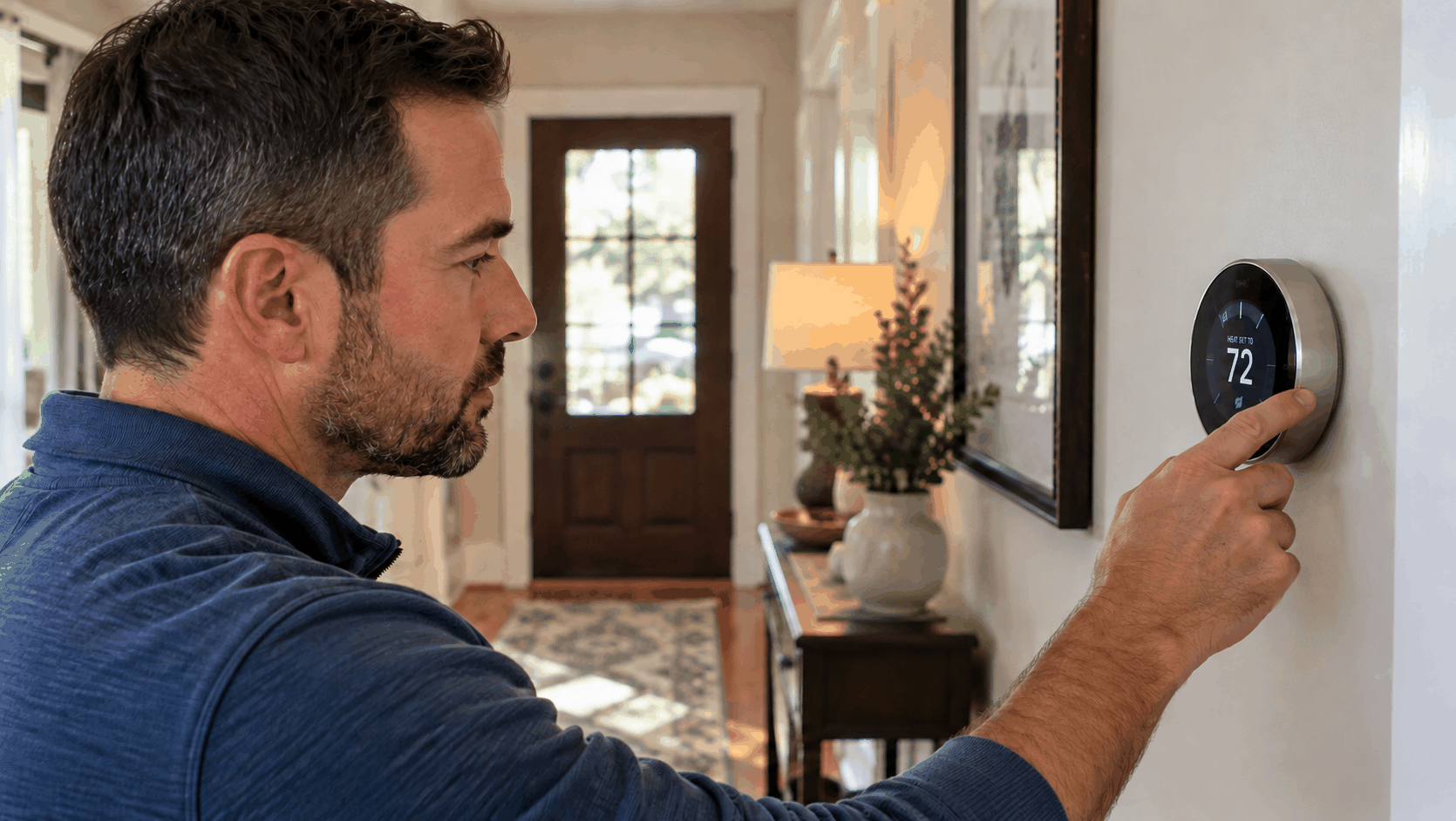

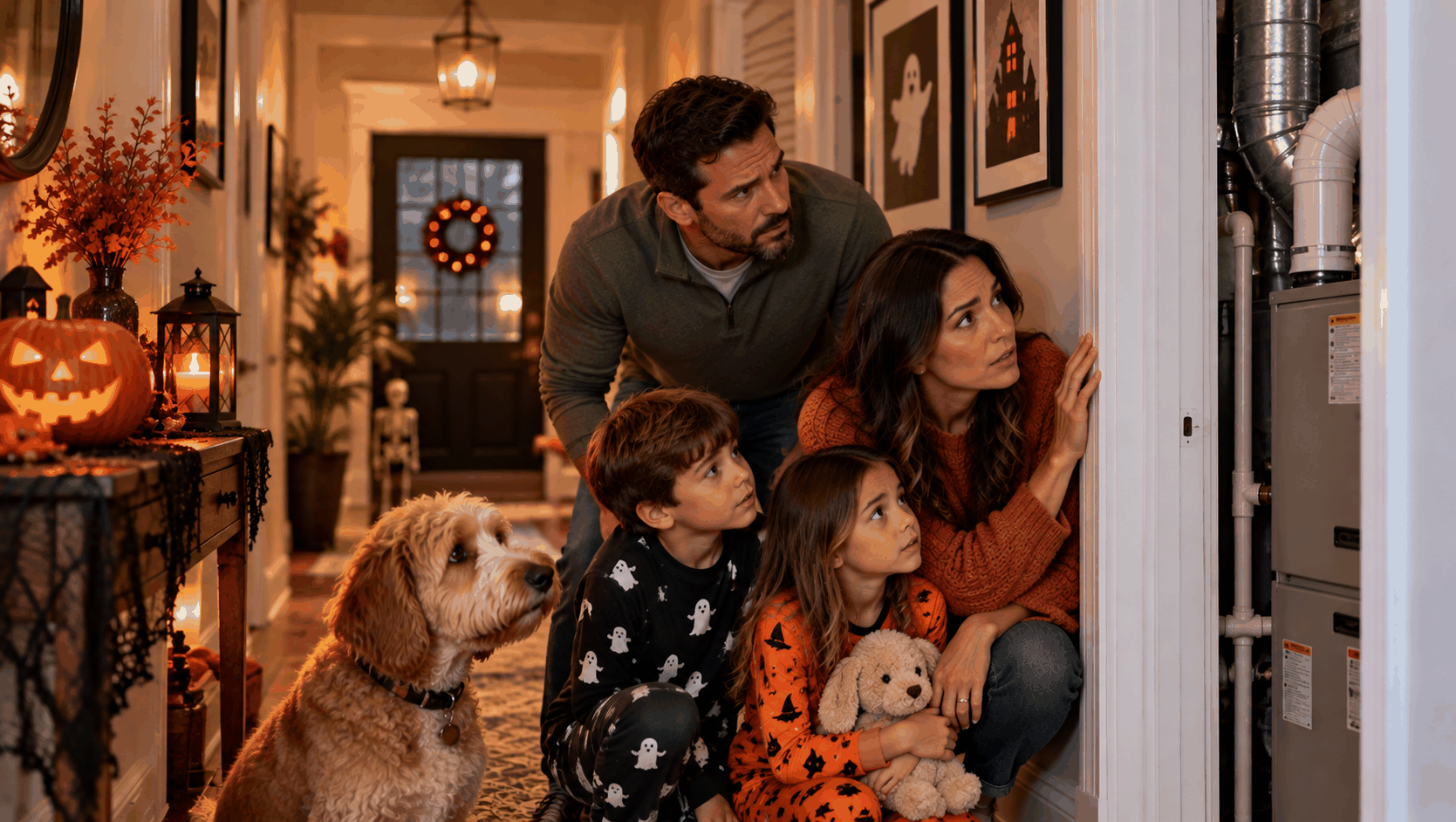

Furnace noises are not the Halloween soundtrack your house needs. A new bang, rattle, or squeal can leave you wondering whether the system is settling into heating season or asking for attention.
Some operating sounds are familiar and brief. Others deserve prompt service, especially when they are new, loud, or paired with heating trouble. The sound gives you a clue, but it does not identify a failed part by itself.
For homeowners in Park Ridge and Chicagoland, the useful response is to notice the pattern and arrange the right help. Here is what to listen for without taking the furnace apart.
Which Furnace Noises Deserve Attention?
Focus first on what has changed. A soft sound you have heard during every normal cycle is different from a sudden bang that makes everyone look up.
Also consider when it happens. Does the sound occur as heat starts, while air is moving, or after the system stops? Is it coming from the equipment area or a room vent?
Carrier’s furnace troubleshooting guidance identifies unusual sounds and repeated shutdowns as reasons for professional attention.
Do not assume that louder means more expensive or that quieter means harmless. A technician needs to connect the sound with what the system is doing.
Banging At Startup Needs A Careful Response
A bang associated with ignition can signal a combustion problem, such as delayed ignition. A popping sound from ductwork can have a different cause. From another room, those sounds may be difficult to distinguish.
Therefore, do not keep restarting the furnace to decide which one you have. A loud bang at startup warrants shutting the system off, if safe, and arranging prompt professional inspection.
Tell the service team that the noise occurs when the furnace starts. Also mention whether heat follows normally or the system stops again.
The purpose of that description is to help the technician assess the situation. It is not an invitation to adjust burners or attempt an ignition repair yourself.
Rattling Can Come From More Than One Place
A rattle may involve a loose panel, duct connection, or another component. However, a sound traveling through the house can make its source hard to locate.
Notice where it seems loudest without opening the equipment. Does it appear near a particular register, or can you hear it throughout the house?
Also consider whether the noise began after work or changes nearby. For example, tell the technician if someone recently moved furniture, changed a filter, or had equipment serviced.
Avoid reaching into the unit or tightening internal parts while it operates. A small-sounding rattle still deserves a proper explanation when it is new or persistent.
Squealing And Grinding Call For Service
A high-pitched squeal or grinding sound can indicate a moving-part problem. The exact cause depends on the equipment and needs inspection.
Carrier’s blower motor guide lists unusual sounds among potential signs of worn bearings or loose components. It also explains the blower’s role in moving air through the system.
If the sound is severe, stop the system when safe and contact a professional. Do not add lubricant or attempt a motor repair based on a video for a different model.
When you call, mention any change in airflow. That gives the technician another observation to compare with the sound.
When A Noise Becomes An Emergency
Furnace noises alone do not tell you whether gas or carbon monoxide is present. However, a gas smell, carbon monoxide alarm, smoke, or fire requires immediate action.
Leave the home and call 911 or your gas utility from a safe location. For suspected gas leaks, avoid operating switches, phones, or appliances inside. Follow emergency personnel’s instructions about returning.
Nicor Gas’s safety guidance explains why you should not investigate a suspected leak yourself.
In those situations, do not wait for an HVAC appointment or try another heating cycle. Getting everyone out safely comes first.
What To Tell The Technician
You do not need to describe a noise with the perfect technical word. A short timeline is more useful than a guessed diagnosis.
Before the visit, note:
- When you first heard the sound.
- Whether it happens at startup, during operation, or afterward.
- Where it seems loudest.
- Whether heating or airflow has changed.
- Any recent service or changes around the equipment.
If you already captured a recording from a safe location, offer to share it. However, do not run a concerning system again just to make a video.
At the appointment, ask how the findings explain the sound. Our article on clear HVAC repair communication outlines what you should understand before approving work.
Avoid Diagnosing By Sound Alone
Online descriptions can help you recognize a reason to call. They cannot confirm what is wrong with your specific furnace.
For example, two homeowners may both report a rattle but need different repairs. Equipment design, installation, and the point in the operating cycle all matter.
At Blue Collar Mechanical, we bring commercial-level HVAC experience into residential homes. The goal is to identify the cause and explain the recommended action, rather than attach a price to a sound over the phone.
Common Questions About Noisy Furnaces
- Can I keep using a noisy furnace?That depends on the sound and accompanying symptoms. Stop using equipment with loud ignition bangs, severe grinding, or other urgent warning signs, and seek professional guidance.
- Will changing the filter stop every noise?No. A filter check is useful routine care, but it does not diagnose every mechanical or combustion problem. Persistent furnace noises need an appropriate assessment.
- Does a new noise mean I need replacement?Not necessarily. Ask for a confirmed diagnosis before making that decision. A noise alone cannot establish the condition of the entire system.
Keep The Scary Sounds In The Halloween Playlist
You should not have to turn up the television to ignore the heating system. New furnace noises deserve attention before they become part of your winter routine.
Schedule a heating inspection with Blue Collar Mechanical or call (800) 804-6546. We serve Park Ridge and Chicagoland with clear answers and practical next steps.